
Published April 18, 2026
The 2026 Homebuyer’s Game Plan: How to Shop Smart, Compete Confidently, and Avoid Costly Mistakes

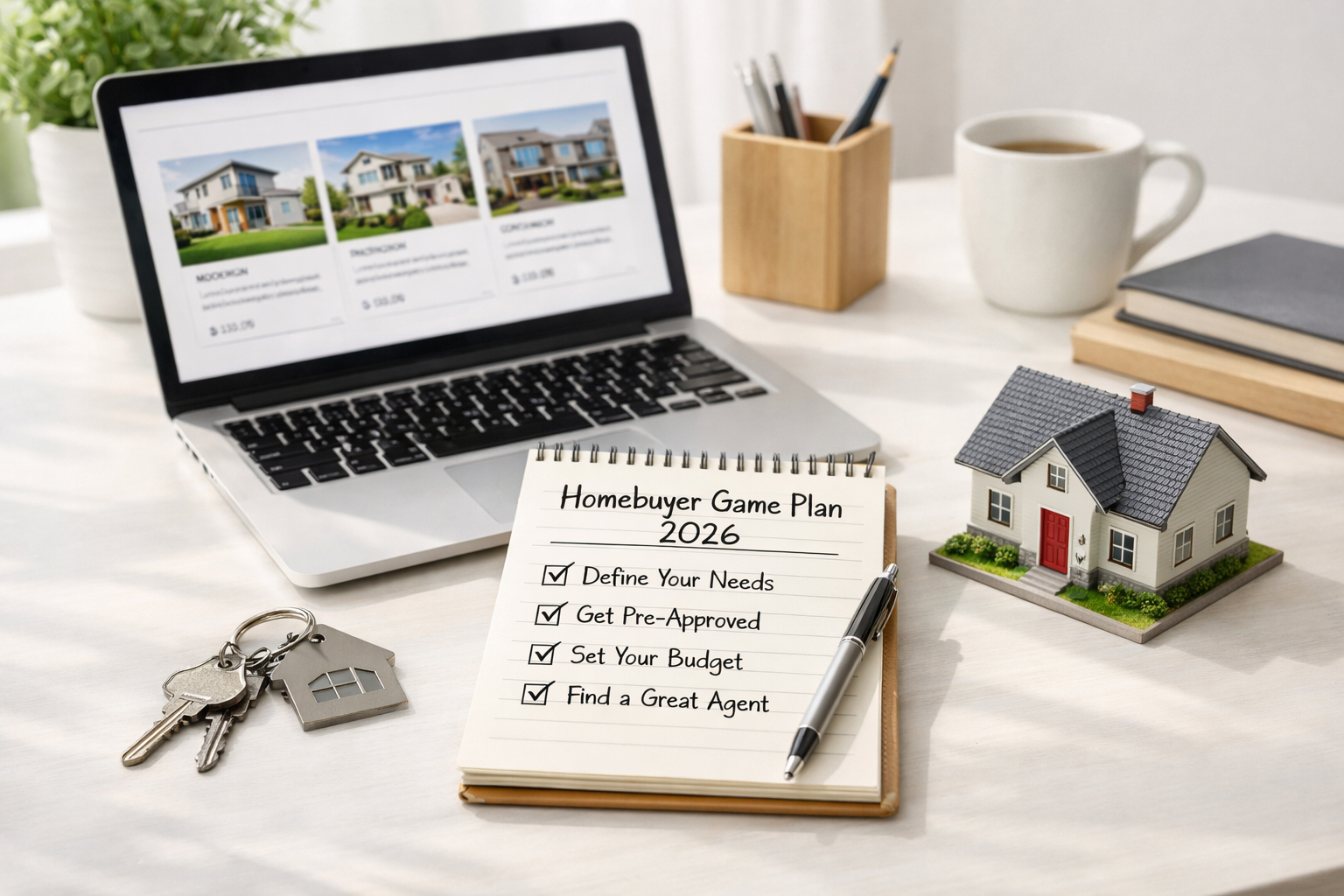
Buying a home can feel like a moving target—rates, inventory, competition, inspections, insurance, and closing timelines can all shift quickly. The good news: you don’t need to “time the market” perfectly to make a great move. You need a clear plan, consistent habits, and a strong team.
1) Start with your “why” and define your non‑negotiables
Before you tour a single home, get specific about your reason for moving and what success looks like. Your “why” becomes your filter when emotions run high.
- Non‑negotiables: location/commute, minimum bedrooms, school boundaries, must-have features (garage, yard, home office).
- Nice-to-haves: finishes, minor cosmetic preferences, flexible layout options.
- Deal-breakers: busy roads, major structural concerns, HOA restrictions, flood zones (if not acceptable).
2) Get financially ready (and stay ready)
In competitive markets, the best homes are often gone fast. Preparation is your advantage. Meet with a trusted lender early and aim for a clear, realistic price range—not just a pre-approval ceiling.
- Know your comfort payment (not only your maximum).
- Budget for the full cost of ownership: taxes, insurance, HOA dues, utilities, maintenance, and repairs.
- Plan your cash position: down payment, closing costs, appraisal gap (if applicable), and reserves.
3) Build a repeatable search rhythm
The most successful buyers treat home shopping like a consistent routine—because the right home can appear at any time. Having a system keeps you from feeling reactive.
- Set up listing alerts for your target areas and criteria.
- Review new inventory on a schedule (daily or several times per week).
- Tour quickly when a home matches your must-haves.
4) Tour with purpose: evaluate the “bones,” not just the staging
Staging and finishes are emotional. The fundamentals are financial.
- Layout: does it work for your daily life?
- Condition: roof age, HVAC, windows, drainage, foundation indicators.
- Neighborhood fit: noise, traffic flow, parking, proximity to your key destinations.
If you love a home, take a moment to identify what you can change (paint, lighting, landscaping) versus what’s expensive to change (location, lot, structure, ceiling height).
5) Know what makes an offer strong—without overpaying blindly
A strong offer isn’t always the highest price. Sellers care about certainty and simplicity. The goal is to be competitive while protecting your interests.
- Price: aligned with recent comparable sales and current demand.
- Terms: closing timeline, financing type, inspection approach, and any seller needs.
- Credibility: solid pre-approval, proof of funds, responsive communication, and clean paperwork.
Strategy should be customized to the home and the seller’s priorities. Your agent’s job is to help you compete confidently while keeping you grounded in market reality.
6) Inspection and negotiation: focus on big-ticket risk
Inspections aren’t about finding a “perfect” home—they’re about understanding condition and future costs. Prioritize issues that impact safety, structure, and major systems.
- Electrical, plumbing, roof, HVAC, foundation, drainage, pests.
- Health/safety items and code issues (where relevant).
- Material risks (for example, recurring water intrusion).
When negotiating, think in terms of risk reduction: repairs, credits, and clarity around what you’re actually buying.
7) Avoid the most common buyer mistakes
- Shopping without a plan: touring homes far outside your criteria wastes time and increases stress.
- Falling in love with the listing photos: verify condition and neighborhood realities early.
- Skipping due diligence: short-term speed can create long-term regret.
- Overextending: a home should support your life, not consume it.
Bottom line
The best home purchases come from preparation, consistency, and clarity. When you combine a smart financial plan with a repeatable home-search rhythm and expert guidance, you can move forward with confidence—regardless of the headlines.
If you’re thinking about buying this year, start by defining your target area and your non-negotiables. Then build a simple, consistent process that keeps you ready when the right home hits the market.


